Serving Passaic and the surrounding river towns Roof leaks only — that is the whole job
Roof Leak Repair

Roof Leak Repair in Lodi

Tracing an active leak back to where water actually enters the roof, and repairing that, rather than sealing the spot where the ceiling happens to be wet.

Find the entry point first.

Most leak calls arrive describing a stain, and the stain is the least informative thing about the problem. What narrows it fastest is the combination of which floor it appeared on, whether it tracks rainfall or appears in still weather, and whether it only happens when wind comes from one direction. Those three answers usually eliminate more than half the possible causes before anyone goes up.

Lodi

Roof Leak Repair, and what it actually involves

The work is mostly elimination rather than discovery. There is a finite list of things that let water through a roof, and the job is ruling them out in the right order rather than guessing at the likeliest one.

  • The entry point is traced before anything is sealed
  • Pitched, flat and mixed roofs on pre-war stock
  • Scoped against the NJ Uniform Construction Code
  • Passaic and the surrounding river towns
(973) 381-5662
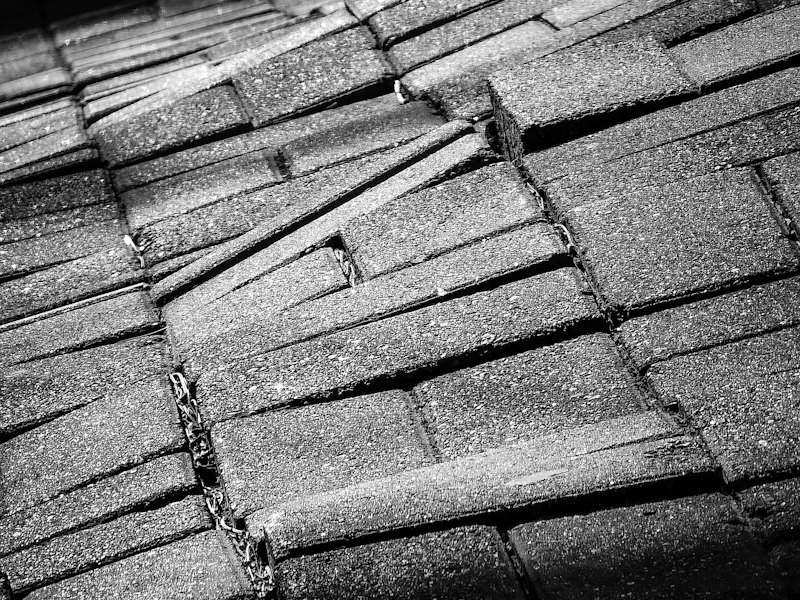
Asphalt shingles lifted and buckled out of their courses, opening a path for water
Leaksonly
How the diagnosis runs

Why we trace the leak before we repair anything

Sealing where the ceiling is wet is the most common roof repair mistake and the most expensive one, because it hides the symptom while the decking underneath keeps getting wet.

1

Start inside, but only to take a bearing

The stain is evidence of where water left the structure, not where it arrived. We note it, photograph it, and then stop treating it as the location of the problem.

2

Work uphill along the framing

Water runs along rafters, purlins and the underside of decking before it drops. Following that path upslope from the stain gives a search zone on the roof rather than a guess.

3

Examine the details in that zone

Within the zone, the candidates are finite: penetrations, valleys, flashing laps, fastener backs-out, and the edge. Open field failures are far rarer than people expect.

4

Confirm before repairing

A suspected entry point gets confirmed — usually by controlled wetting of one detail at a time — so that the repair is aimed at a known cause and not at the most plausible-looking one.

5

Repair the cause and check the deck

Once the cause is fixed, the decking around it is checked. Wet decking that gets closed up stays wet, and it will fail again from underneath.

Applied to Lodi

What changes about this job here

Buildings this close leave narrow gaps that take roof water from both sides. A trace here usually starts at the side-wall flashing and the gutter run in that gap, before anything out on the open roof.

Lodi — closely built

Reference point: the borough immediately north-east of Garfield along the Saddle River.

On the ground in Lodi

What the buildings here are, and where they let water in

Where it typically fails

Two-family houses are where most of the leak work is, and they concentrate two problems: a rear addition at a shallower pitch, and a roof serving two households where nobody is quite sure who noticed the stain first or how long it has been there.

Worth knowing locally

Delay is the real variable on a two-family roof -- by the time both parties agree there is a leak, the decking under it has usually been wet a while.

26,207Residents
2.27Square miles of land
11,534Per square mile
10,414Housing units
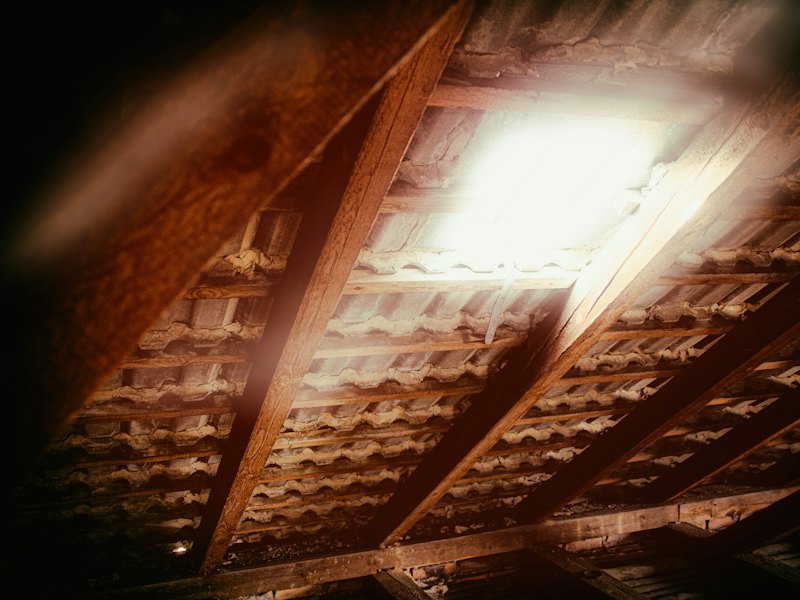
Roof rafters and decking seen from inside a loft
Lodicovered
Roofs in Lodi

What the roofs are like in Lodi

Twenty-six thousand people on just over two square miles, in a stock that runs heavily to two-family houses and small apartment buildings.

All areas covered
Local conditions

What this climate does to a roof

Passaic sits in a humid subtropical (Koppen Cfa) zone with a full freeze-thaw winter — the combination that is hardest on flashing and mortar.

Wind-driven rain finds laps

Rain arriving at an angle gets under flashing laps that shed vertical rain without difficulty. This is why a roof can be watertight for years and then leak in one particular storm from one particular direction.

Freeze-thaw opens what was already tired

Water that gets into a mortar joint, a lap or a hairline crack and then freezes expands. Northern New Jersey cycles through that repeatedly each winter, which is why small defects here do not stay small.

Snowmelt behaves unlike rain

Meltwater moves slowly under a snow layer and refreezes at the cold eave. That backs water up under the covering, where no amount of pitch helps, and it is the reason eave leaks appear in thaws rather than storms.

Nearby & related

Leak Repair work close to Lodi

The same job in the areas next door, and the other leak types we handle in this one.

Questions

Common questions

Answers are general guidance about how these roofs behave, not a survey of any particular building.

Why not just seal the spot where my ceiling is wet in Lodi?

Because water almost never enters directly above where it appears. It runs along decking and framing first. Sealing the visible spot hides the symptom while the decking above it stays wet.

What is different about working on roofs in Lodi?

Buildings sit close enough that the work usually happens from the gap between them or over a side gate. Whether that gap is clear, and who controls it, often decides how quickly the roof can be examined.

Will this need a permit?

Only if more than a quarter of the roof surface is replaced within a twelve-month period — that is the threshold under the New Jersey Uniform Construction Code. Most targeted leak repairs sit well under it, but the scope decides, not the label on the job.

Dealing with a roof leak in Lodi?

Describe what you are seeing and when it started — that is usually enough to narrow the cause before anyone climbs anything.